


Imagine the gentle ripple across the surface of a glass of water as you set it down, poised to take a sip. This liquid is more than just a thirst quencher—it’s a powerful ally in your weight loss journey. You’ve heard time and again that staying hydrated is crucial for health, but you might not know the specific strategies that can align your hydration habits with your weight loss goals.
As you navigate the path to a lighter, healthier you, understanding the nuances of water intake can significantly impact your progress. Let’s explore together how the timing, temperature, and even the food on your plate can enhance hydration’s role in shedding those unwanted pounds.
Stick around to uncover the nine key hydration tips for weight loss that could redefine your approach and why overlooking them might be holding you back from losing weight.

– Daily water needs vary based on factors such as age, gender, weight, climate, and physical activity levels.
– Drinking water before meals promotes a feeling of fullness and reduces calorie intake.
– Choosing drinks without artificial sweeteners is better for long-term health.
– Proper hydration enhances exercise performance and supports weight loss efforts.
To effectively manage your weight, it’s crucial to understand that your daily water needs can vary based on factors such as age, gender, weight, climate, and physical activity levels. Adequate hydration can help prevent fluid retention, a condition where your body holds onto water, which can add extra pounds and hinder your weight loss efforts. Knowing your personal hydration requirements is key to avoiding this.
Water sources aren’t limited to just drinking fluids; you also obtain hydration from food, particularly fruits and vegetables. However, direct water intake is vital. You should aim to drink water consistently throughout the day to maintain hydration levels, rather than waiting to become thirsty, as thirst is a sign that you’re already dehydrated.
For a safe approach to weight management, consider not only the quantity of water you consume but the quality. Ensure your drinking water is clean and free from contaminants. If you’re exercising or located in a hot climate, your body will need more water due to increased sweating. Listen to your body and adjust your fluid intake accordingly.
Understanding your personal hydration needs, you can now focus on optimizing the timing of your water intake to enhance weight loss efforts. Kicking off your day with a morning ritual that includes drinking water can jumpstart your metabolism. Studies suggest that consuming around 500 ml of water upon waking up can increase metabolic rate by approximately 30% within 40 minutes. This effect can aid in a more effective burning of calories throughout the day.
Incorporating water before meals is another strategic move. Drinking a glass of water about half an hour before eating can lead to a feeling of fullness, causing you to eat fewer calories. It’s a simple, yet effective way to manage portion sizes and avoid overeating.
To avoid disrupting your sleep, which is also crucial for weight management, try to limit your fluid intake in the late evening. Giving yourself a hydration cut-off time can prevent late-night bathroom trips and improve sleep quality.
For added assistance, consider using hydration apps. These tools can remind you to drink water at optimal times and track your intake to ensure you’re meeting your daily goals. With the right timing, your hydration habits can become a powerful ally in your weight loss journey.
Drinking a glass of water before meals can significantly reduce calorie intake, supporting your weight loss goals with scientific evidence to back it up. This simple practice promotes appetite control, making you feel fuller before you even start eating. As a result, you’re likely to consume fewer calories during the meal, contributing to an overall calorie deficit that’s essential for weight loss.
Here’s why you should consider this hydration tip:
Keep in mind that while water is a powerful tool for weight management, it’s also crucial for your overall health. It’s a safe and effective way to aid in weight loss without compromising your wellbeing.
While incorporating water before meals effectively curbs appetite, swapping out sugary drinks for water or other calorie-free beverages can further enhance your weight loss efforts by significantly reducing your daily calorie intake. Drink swaps are a simple yet effective strategy to cut down on sugar and calories without compromising on hydration. Beverages like soda, energy drinks, and specialty coffees can contain a surprising amount of calories, contributing to weight gain when consumed in excess.
Mindful sipping encourages you to be aware of what you’re drinking throughout the day. Opt for herbal teas, black coffee, or sparkling water with a splash of lemon for a refreshing alternative. These drink swaps don’t just reduce calories; they can also minimize the risk of sugar-induced energy crashes and potential long-term health issues associated with high sugar consumption.
When you replace caloric drinks with water or calorie-free alternatives, you’re not only supporting your weight loss goals but also adopting healthier habits for your overall wellbeing. Keep in mind that the safest choices are those without artificial sweeteners, as they’re better for your health in the long run. Make drink swaps a part of your daily routine and watch the difference it makes to your weight loss journey.

In addition to liquid hydration, incorporating water-rich foods into your diet can play a pivotal role in weight loss by keeping you fuller for longer and reducing overall calorie consumption. These foods not only help in maintaining hydration levels but also contribute to a lower energy density diet, which is a proven strategy for weight loss. By choosing foods with high water content, you’re likely to eat fewer calories without feeling deprived.
Here are some hydrating foods that can help you on your weight loss journey:
Opt for fruit infusions, such as adding berries or citrus to your water, to make hydration more enjoyable. Soup selections, especially those with a clear broth, are another excellent way to increase your water intake while providing satiety.
To effectively manage your weight loss efforts, you’ll need to monitor your hydration levels, ensuring you’re drinking enough water throughout the day. Recognizing your body’s hydration cues is crucial; thirst, dark urine, and fatigue can all signal dehydration. Instead of waiting for these signs, it’s safer to maintain a consistent intake of fluids.
A practical approach is to observe the color of your urine. Aim for a light, straw-like hue, which usually indicates proper hydration. If it’s darker, it’s a clear sign to increase your water intake. However, very clear urine might suggest overhydration, which can disrupt your electrolyte balance. Electrolytes, such as sodium and potassium, are essential for bodily functions, and their imbalance can be detrimental to your health.
To maintain this balance while staying hydrated, consider including electrolyte-rich beverages in moderation, especially after intense workouts. But remember, water should remain your primary source of hydration.
Safety in weight loss and hydration is about consistency and moderation. By paying attention to these indicators and following a balanced hydration plan, you can support your weight loss goals while prioritising your health.
You may be surprised to learn that the temperature of the water you drink can subtly impact your metabolism and, in turn, affect weight loss efforts. Evidence suggests that cold sips can stimulate what’s known as thermogenic effects in the body. When you drink cold water, your body expends energy to warm it up to body temperature, which can slightly increase the number of calories you burn.
Consider these points:
It’s important to note that while the calorie-burning effects of cold water are modest, every little bit adds up in your weight loss journey. However, it’s essential to balance this with your comfort and health, as extremely cold water isn’t suitable for everyone and mightn’t be safe if you have certain medical conditions.
Always prioritize your safety and listen to your body’s signals when incorporating hydration practices into your weight loss strategy.
As you ramp up your exercise routine, your body’s need for hydration increases to replace fluids lost through sweat. Studies show that properly hydrating before, during, and after your workout optimises performance, indicating that water plays a pivotal role in metabolic processes. It’s crucial to adjust your water intake for weight loss accordingly to support these functions and enhance your efforts.
Maintaining proper hydration during exercise is crucial for maximizing workout efficiency and supporting weight loss efforts. You need to know your body’s sweat rate to replace lost fluids accurately. Dehydration can lead to muscle cramps, hindering your workout and potentially causing injury.
To optimise your hydration:
Adopting these evidence-based, informative, and clear strategies ensures you’re safely hydrating to support your weight loss journey while enhancing your exercise performance.
Understanding the importance of staying hydrated during workouts sets the stage for exploring how water consumption directly influences metabolic processes and weight loss.
Hydration science indicates that adequate water intake is crucial for maintaining a healthy metabolic rate. When you’re well-hydrated, your body can efficiently convert food into energy, which is essential for shedding excess pounds. During exercise, your metabolic rate increases, and so does your need for water. By drinking enough, you’re enabling this heightened metabolism to function optimally, burning more calories in the process.
Moreover, water helps transport nutrients to cells and remove waste, ensuring your metabolism doesn’t slow down due to a build-up of toxins. Thus, coupling regular exercise with increased water intake can synergistically boost your metabolism and support your weight loss goals.
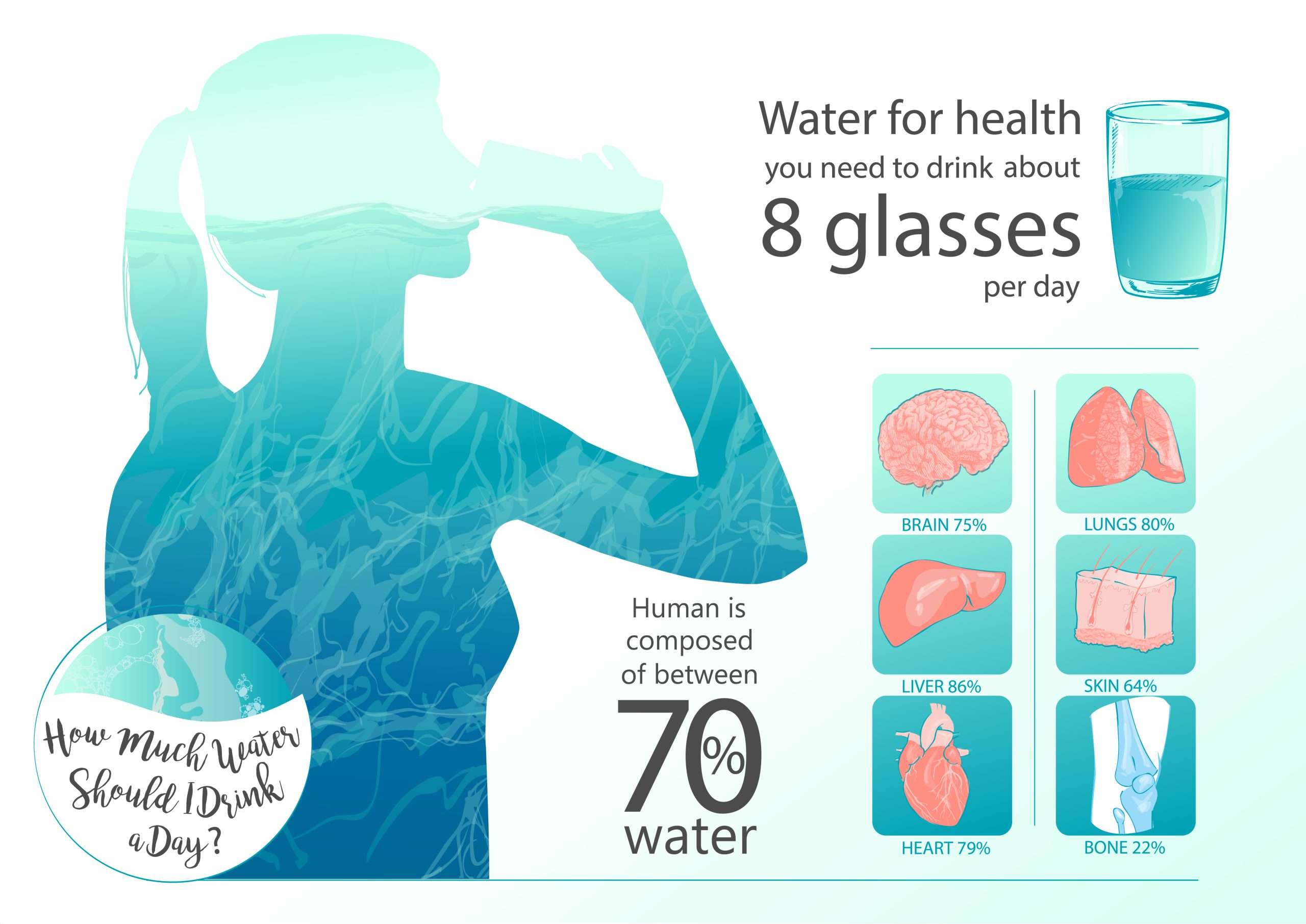
To effectively lose weight, it’s crucial to recognise and sidestep the common triggers that can lead to dehydration. Understanding dehydration symptoms and dispelling hydration myths are essential steps toward maintaining proper fluid balance.
Dehydration can be a silent saboteur in your weight loss journey, often masked by hunger pangs or fatigue, which might lead you to eat when you’re actually just thirsty.
Keep an eye out for these dehydration triggers:
Staying hydrated is more than just drinking water; it’s about keeping a balance. Don’t wait until you feel thirsty, as this is already a sign of mild dehydration. Carry a water bottle with you as a reminder to drink regularly throughout the day. If you’re exercising or it’s a hot day, increase your intake accordingly. Remember to always listen to your body and be mindful of the signs that it needs more fluids. Your weight loss efforts will be more effective when you’re properly hydrated.

How Does the Quality of Water Impact Weight Loss Efforts?
Water contaminants don’t directly affect weight loss, but they can impact overall health. Choose filtered or mineral water to avoid hydration myths and ensure safety, supporting your weight management with clean hydration.
Can Drinking Too Much Water Lead to Weight Gain or Disrupt My Weight Loss Progress?
Drinking excessive water won’t cause weight gain, but it can lead to water retention and metabolic confusion. Stay informed and safe; balance your intake to support your weight loss without disrupting your metabolism.
Are There Any Specific Hydration Considerations for Those Following a Low-Carb or Ketogenic Diet for Weight Loss?
You’ll need to increase your water intake on a low-carb or ketogenic diet to counteract the loss of carbohydrate storage and prevent symptoms like the Keto Flu, ensuring safe and effective weight loss.
How Does Hydration Affect Hormonal Balance and Its Role in Weight Management?
You need to know that proper hydration can influence hormone regulation, helping balance appetite-controlling hormones and enhancing satiety signals, which are vital for managing your weight safely and effectively.
Is It Beneficial to Add Electrolytes to My Water During Weight Loss, and if So, What Are the Best Options?
Adding electrolytes to your water can aid weight loss by maintaining electrolyte balance. Opt for natural flavor infusions like citrus or cucumber, which offer benefits without added sugars or artificial ingredients.
In conclusion, you’ve seen how crucial proper hydration is for weight loss. By following our top 9 hydration tips for weight loss whilst also understanding your body’s needs, timing your water intake, and choosing foods that are high in water content, you’re setting yourself up for success!
Remember to monitor your levels, consider the temperature of your water, and adjust for exercise. Above all, avoid those dehydration pitfalls. Stick with these evidence-based, informative, and clear strategies, and you’ll not only quench your thirst but also help pave the way for effective weight loss.


